Last month, I shared some updates on our new build project, including some of the choices we’ve made and things we’ve learned and implemented. Today, I am picking up right where I left off! My last post ended with a little teaser about the design style we are doing throughout our new home, which is…

Art Deco Design
This style might make you think of old Hollywood, flapper girls, The Great Gatsby book/movie; and it is all of those things…plus so much more! Art Deco got its name from the 1925 “Exposition Internationale des Arts Décoratifs et Industriels Modernes” World’s Fair, held in Paris, France. Although it began in Europe, its popularity quickly spread to other parts of the world. Here in the United States, some of the most well-known Art Deco buildings are The Chrysler Building and The Empire State Building in New York City. Another example is the Hoover Dam, which my husband and I visited last fall, when we were in Las Vegas. That was a cool experience!



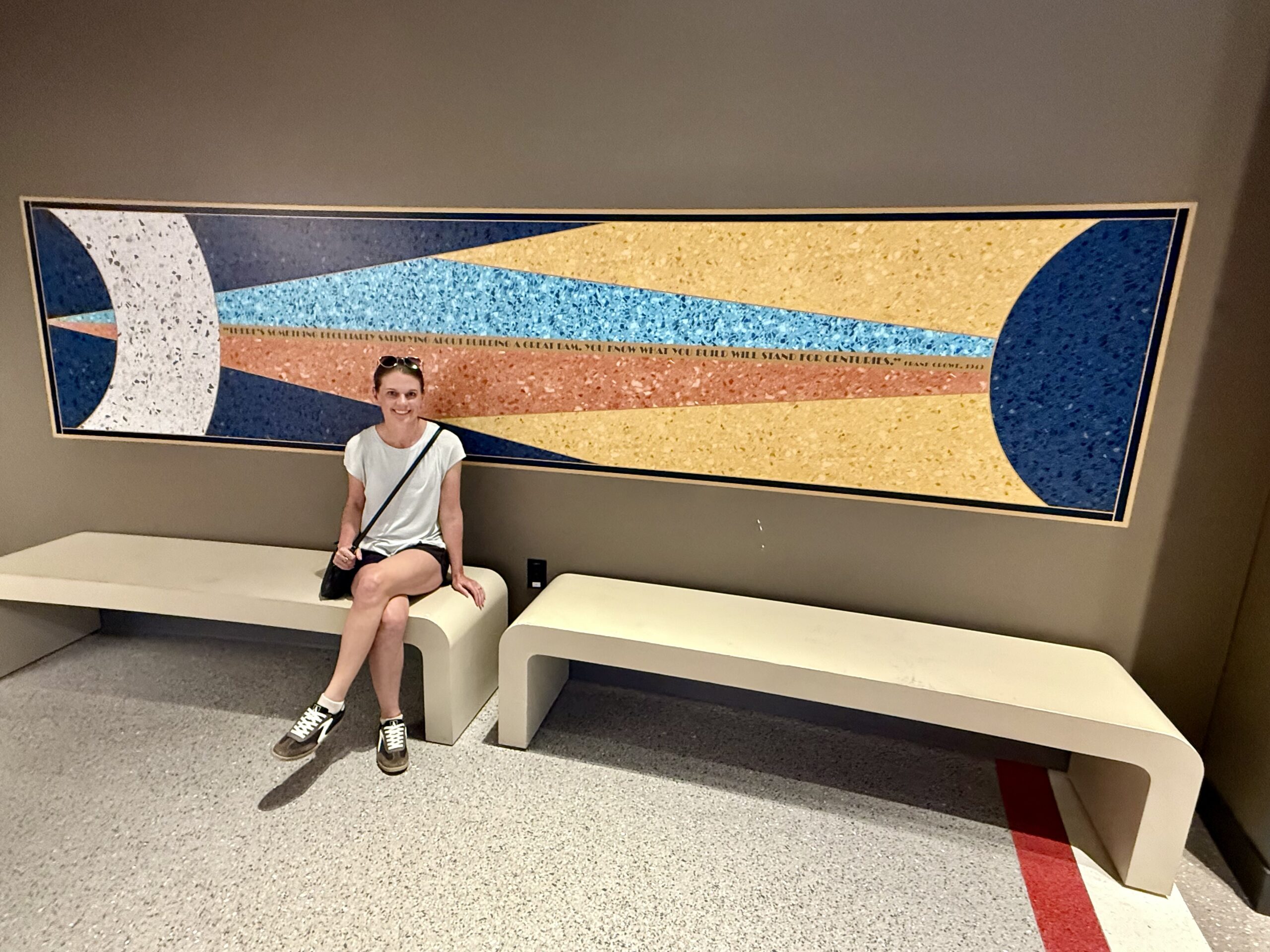
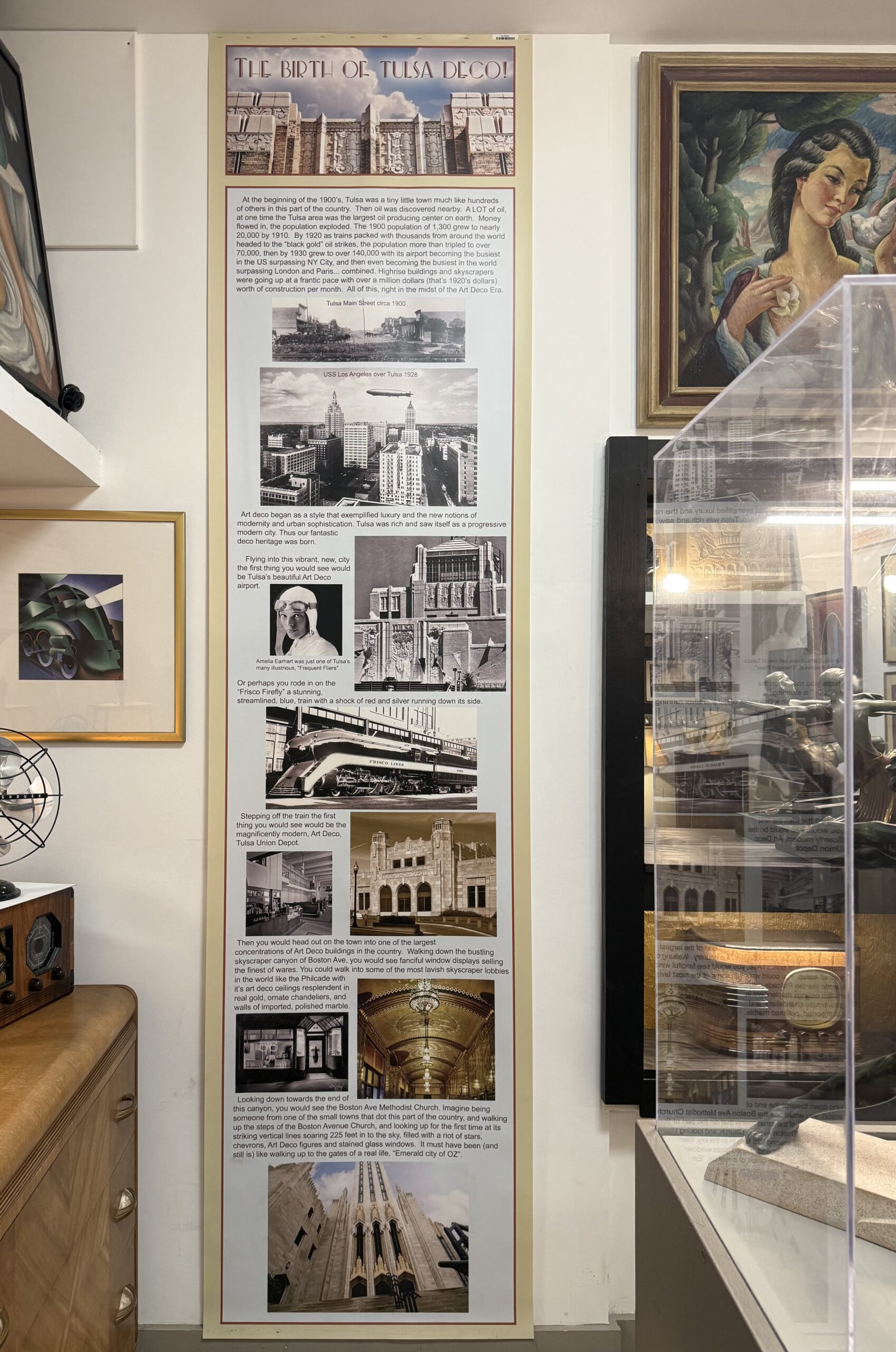
One very surprising thing that I discovered while doing research on Art Deco is that Tulsa, Oklahoma is considered as having one of the top Art Deco architecture collections out of all the cities in the United States! Tulsa is located just 100 miles from us, so Corey and I recently drove over there to do the self-guided Art Deco walking tour downtown. We started at the Art Deco Museum, where we learned about some of the history.
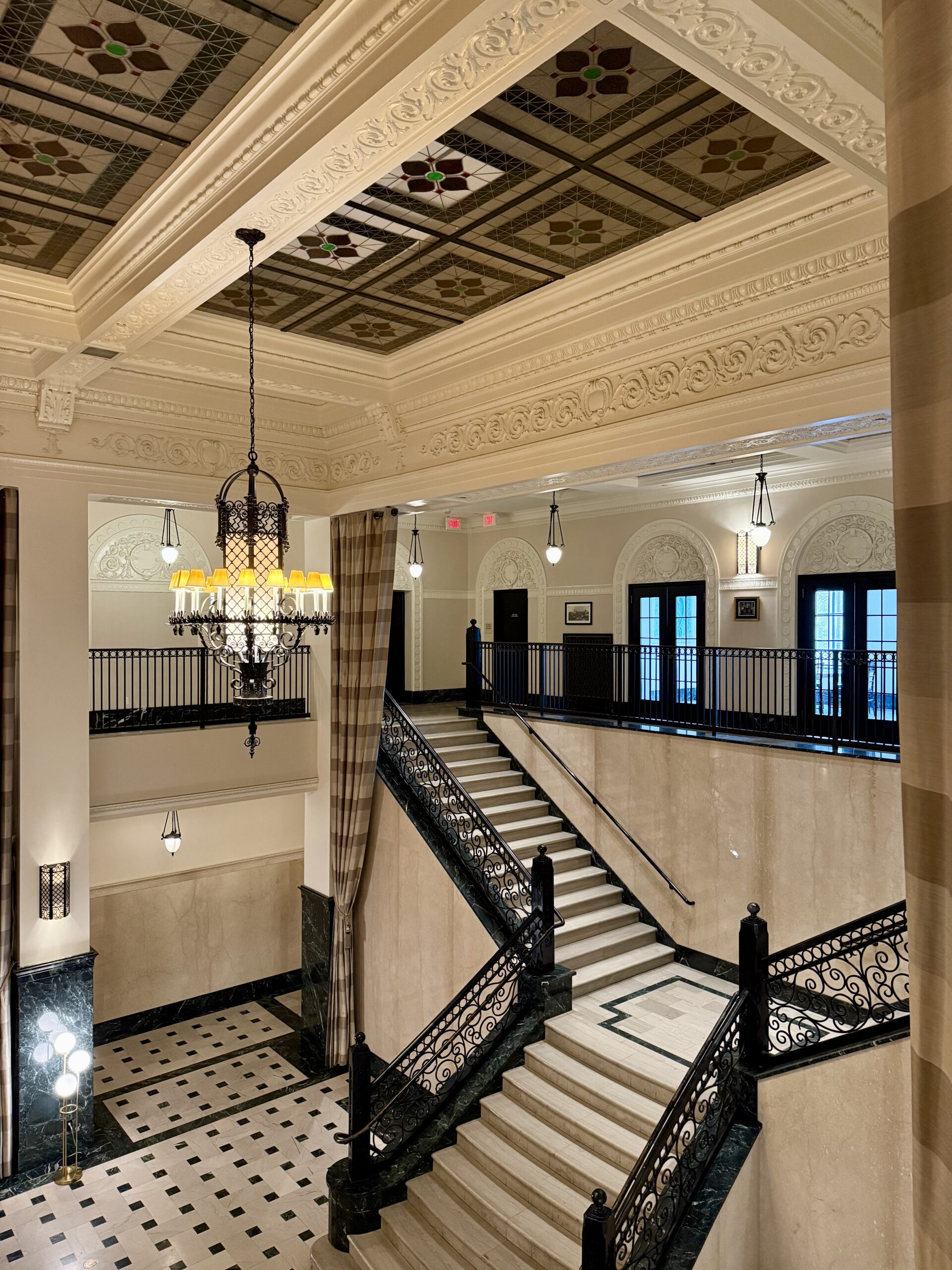
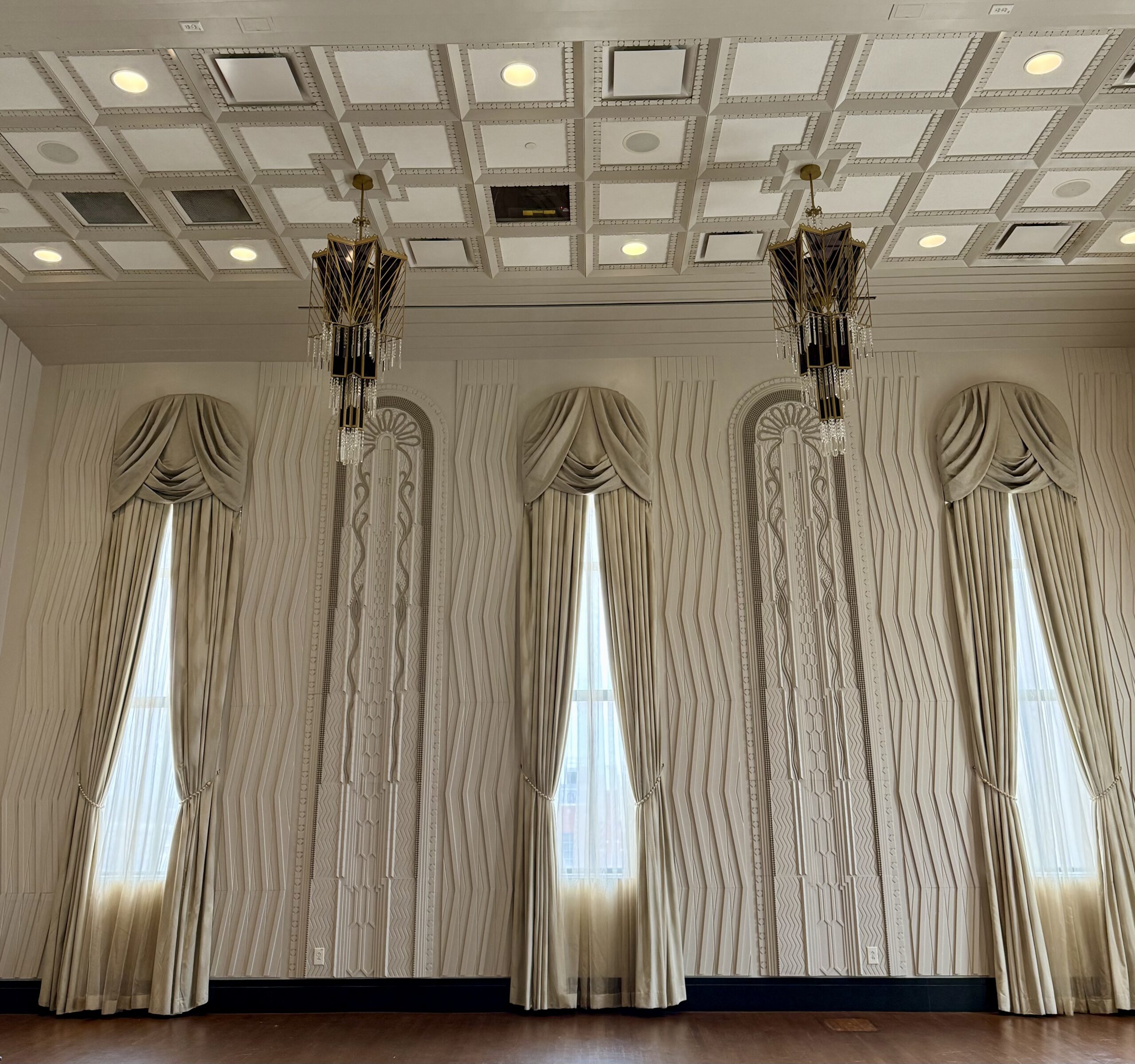
Then we headed further into downtown to begin our little excursion! There were 16 stops listed on the map, but unfortunately some of them were closed due to it being a Saturday, so I definitely want to go back and see those on a weekday soon. Overall, we were really impressed with what we saw, and it was fun getting to explore and take it all in!







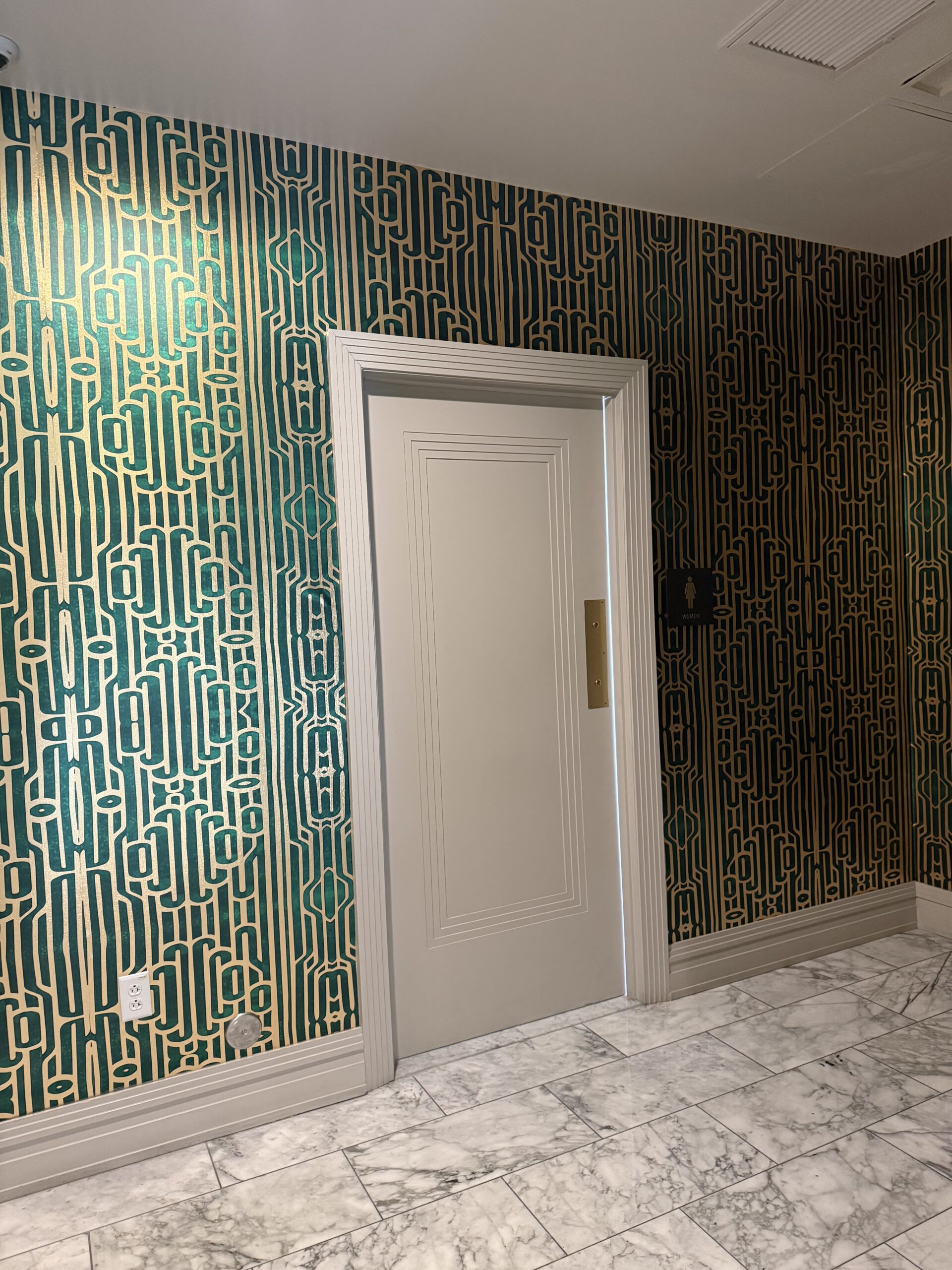

As beautiful as these buildings are, my personal favorite Art Deco style structure is still the Nebraska State Capital Building! I got to visit it again with my Mom a couple of weeks ago when I was in Lincoln. This born-and-raised Nebraska girl is very proud of her home state for creating this gem. If you are a Nebraskan, you really need to go tour it if you haven’t!


You are my sunshine, Mom!


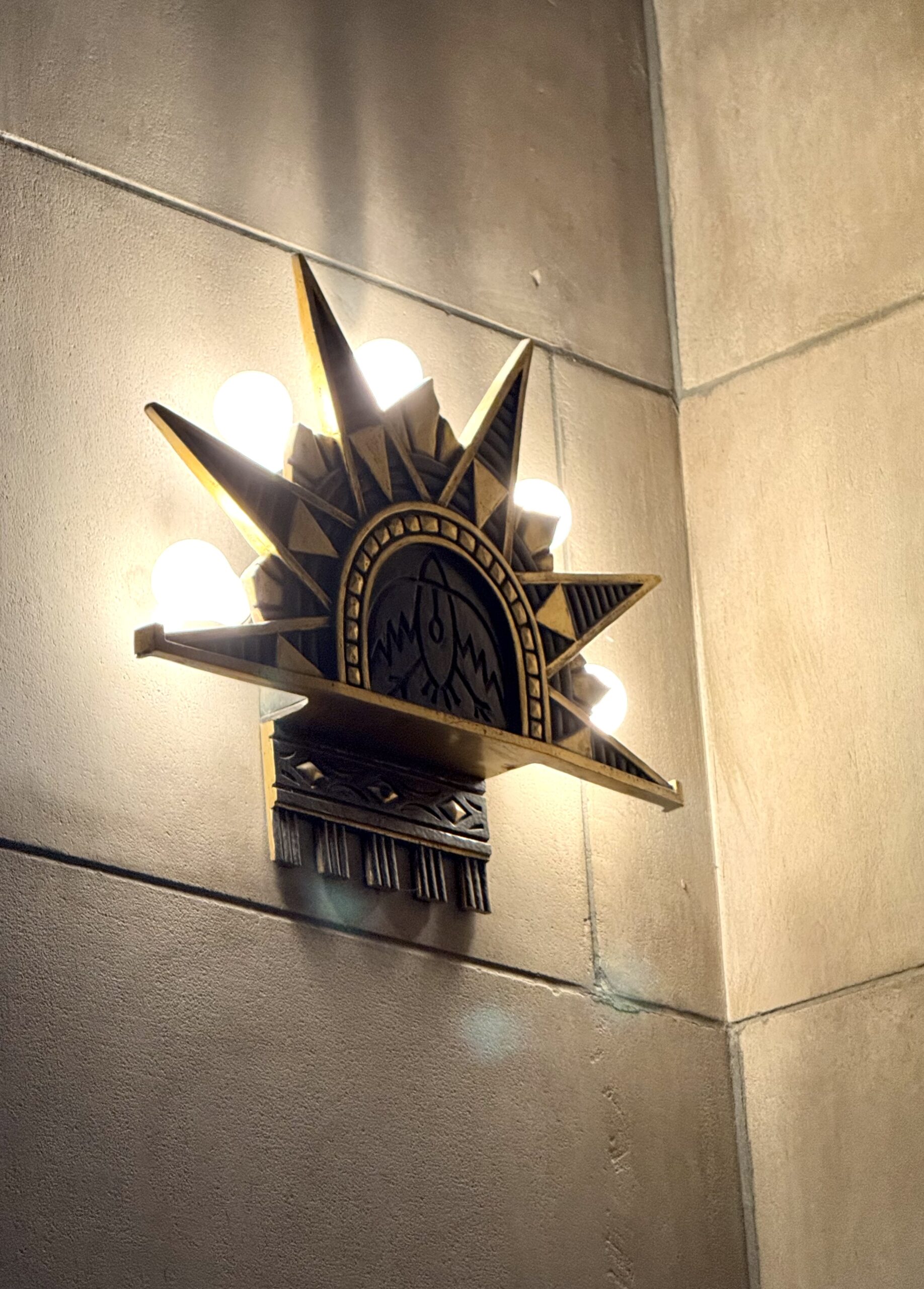

So there ends your little introduction to Art Deco! Now I want to tell you how we unexpectedly got inspired by this style. Last summer before we even broke ground on the house, we decided to go pop into some local antique stores in a nearby town called Prairie Grove. Wandering through one of the shops, we turned a corner and spotted these old theater seats that stopped us in our tracks!

We thought they were so neat and unlike anything we had seen before! The company that made them was Heywood-Wakefield Furniture, who apparently built a lot of theater seats in the 1920’s and 30’s. The owner of the store told us it is very rare to see a full row of six like this together and in such good condition! We knew we had to have them.
Then our minds started spinning with ideas of what we could do with these in our yet-to-be-built house! We ultimately decided they would make unique seating to watch games happening at our indoor pickleball court. And then we had the idea to name it “The Pickleball Theater.” Next, we started dreaming of designing the adjoining lounge to look like an old theater, complete with velvet curtains that would separate the pickleball court from the living room. And it just kept going from there! The rest is history. And it is so perfect for us because I have always loved old homes and buildings with character & history, and Corey really appreciates things that are bold and unique. In a future post, I will share many of the ways we are incorporating Art Deco design elements into our home. We are having so much fun with it!
Ok, let’s switch gears now from the creative right side of the brain to the logical left side of the brain to cover a few of the less colorful, but very important technical aspects I want to share with you.
Indoor Air Quality
One major area of focus in any home, whether a new build, remodel or existing structure should be air quality. Why? Because it can greatly impact human health and wellbeing! We all know pollution is an issue outdoors, but what you may not be aware of is that indoor air pollution is usually even worse! I have become very passionate about this topic over the past several years. If you’d like to learn more about promoting good indoor air quality in an existing home, please check out my previous blog post on indoor air quality here. In this blog post, I am going to focus on some of the air quality considerations in our new construction, but some of these things will still be applicable in existing homes, too!
HVAC
There are a lot of options for air purification in HVAC systems, and I have found it to be a little confusing and hard to figure out what is legit and actually works (regular filters in returns, UV light, filter cabinet, germicidal system, energy recovery ventilator, ozone, ionization, etc.) To be honest, I have a lot more to learn in this area! But the good news is, most things can be added later.
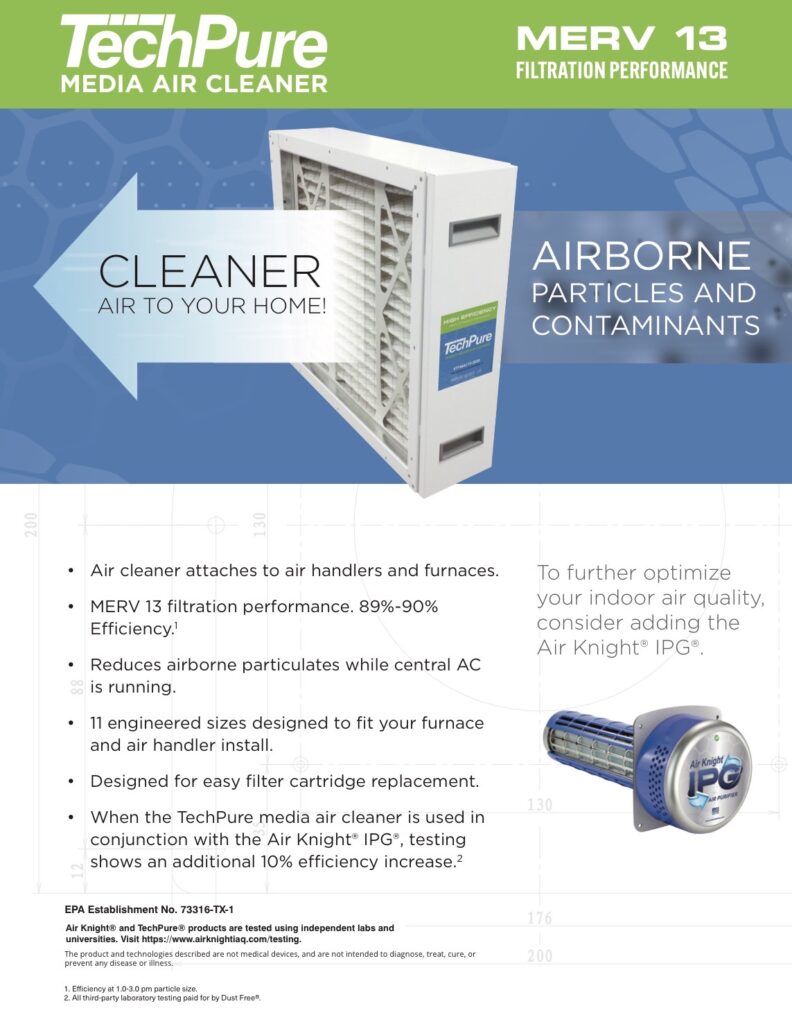
For now, we have decided to do a filter cabinet with a MERV (Minimum Efficiency Reporting Value) of 13. The MERV number on a filter rates its effectiveness at capturing particles in the air, with a higher number indicating better filtration. But you have to be careful not to go too high, or you may put stress on the HVAC system, restrict air flow and reduce energy efficiency! The goal is to find the balance and the best way to do that is check your owner’s manual or unit for that info or contact an HVAC professional to come test your unit’s static pressure. If ours can’t end up handling MERV 13, we will drop down to the MERV 11 option. Most newer units can handle MERV 8-11, but some can do more. The filter cabinet we are using is mounted right next to the furnace and houses a 4″ filter that only needs to be changed every 6-12 months. We also plan to do 1″ filters in returns that are a lower MERV just for an added layer or protection (if the system can handle it!)
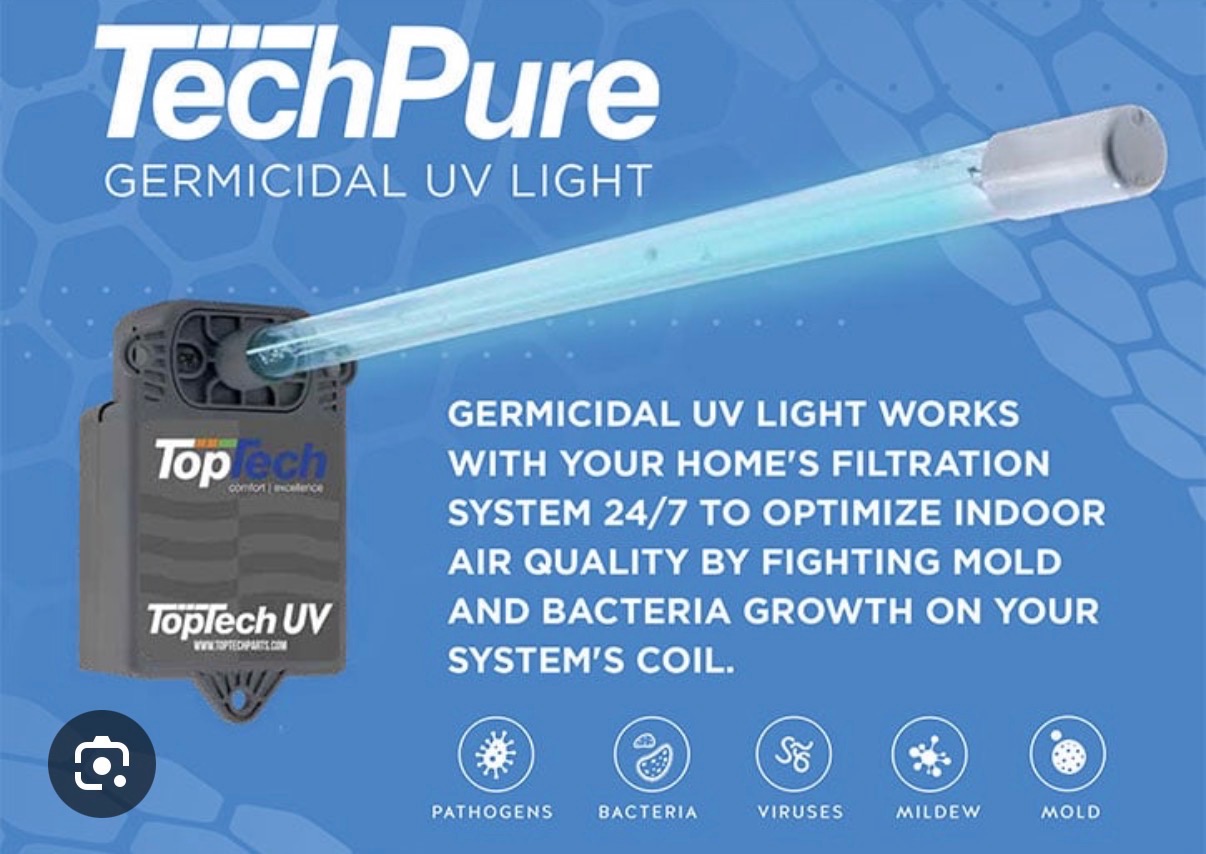
We are also having a germicidal UV light installed to help prevent mold and bacteria from building up at the HVAC cooling coil and drain pan. These areas provide the perfect dark, damp, and dirty environment for microbial growth. This buildup can cause musty odors, reduce energy efficiency, damage HVAC components and circulate mold spores throughout the home, causing increased allergies and respiratory issues in some people.
Standalone purifiers
I am also a big fan of standalone purifiers that you can place around your home, which usually use HEPA (High-Efficiency Particulate Air) filters, which can capture much smaller particles than filters that you put in your HVAC system. They trap 99.97% of particles down to 0.3 microns, including viruses, bacteria, mold, pollen and pet dander. We’ve been using the brand Molekule for years and have been very pleased! We keep a small one in our bedroom and a larger one in each of our living areas.
Whatever style air purification you use in your home, please make sure you are changing your filters regularly and having professional HVAC inspection and maintenance done at least once or twice a year!
Products used in the home
But also be aware that no filter can catch everything! It is best to minimize the source of air contaminants in your home by being aware of what you are using to clean, scent the air, care for your hair, body, etc. You breathe all of that before it goes through the filters. And whatever is not filtered is recirculated through your home. Which is why it is also very important to open your windows regularly to naturally ventilate your space!
Electrical
I’m guessing by now, most of you have at least heard of EMF’s (electromagnetic fields). These are invisible areas of radiation that are created both naturally (such as sunlight) and by human invention (such as cell phones). Advancing technologies and higher electricity usage have increased exposure to artificial EMF sources, and some research studies suggest potential negative health impacts associated with these chronic EMF exposures.
I own the book “EMF*D” by Dr. Joseph Mercola, which is one of the top resources that I know of on the subject. Although I have not yet had the chance to read it from cover to cover, I can tell it is a very thorough explanation of what EMF’s are, how they might be affecting you and things you can do to protect yourself and your loved ones.
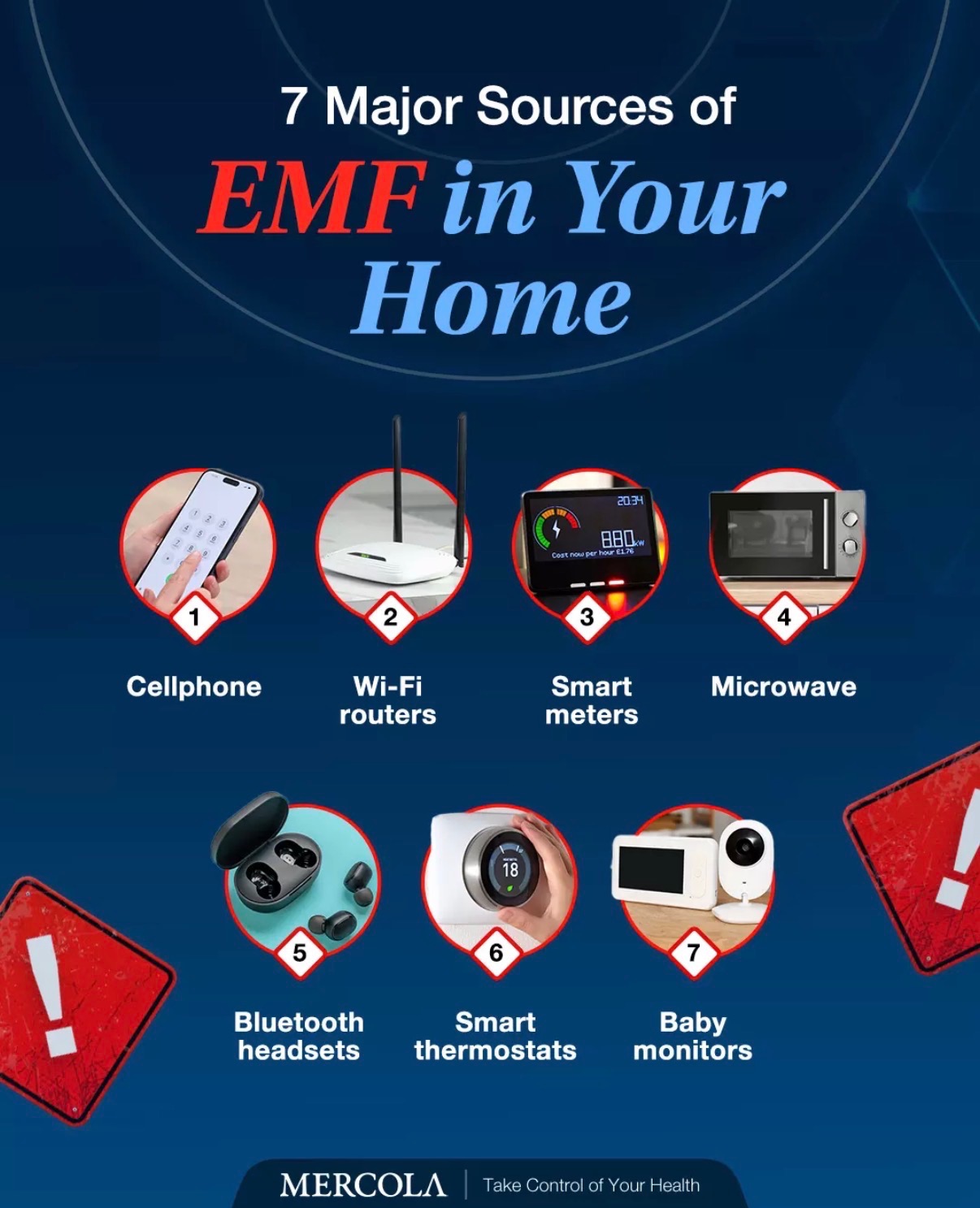
Some ways I have been consciously working to decrease EMF exposure already are:
- Wave Block stickers on mine and Corey’s cell phones and wireless earbuds to help shield us against EMF’s emitted from those things.
- Avoid using the microwave as much as possible, and opt for warming up food in the oven or on the stove instead.
- Turning WiFi off at night using a digital indoor timer outlet that our WiFi router is plugged into. It automatically turns off the router at a set time each night and turns it back on at a set time in the morning.
In our new home, the main goal electrically speaking, is to decrease EMF’s even more. Although “smart homes” are very trendy, I don’t personally think they are worth the risk to our health. We do appreciate modern conveniences and are not going completely old-school, but are trying to find a balance and lower our exposure wherever we can. Here are a couple of the ways we are doing that:
- Hardwiring tv’s, computer and printer with ethernet cables, rather than using WiFi to connect them. (Grounded ethernet cable and AC power cord for things you’ll be touching regularly, such as a computer/laptop).
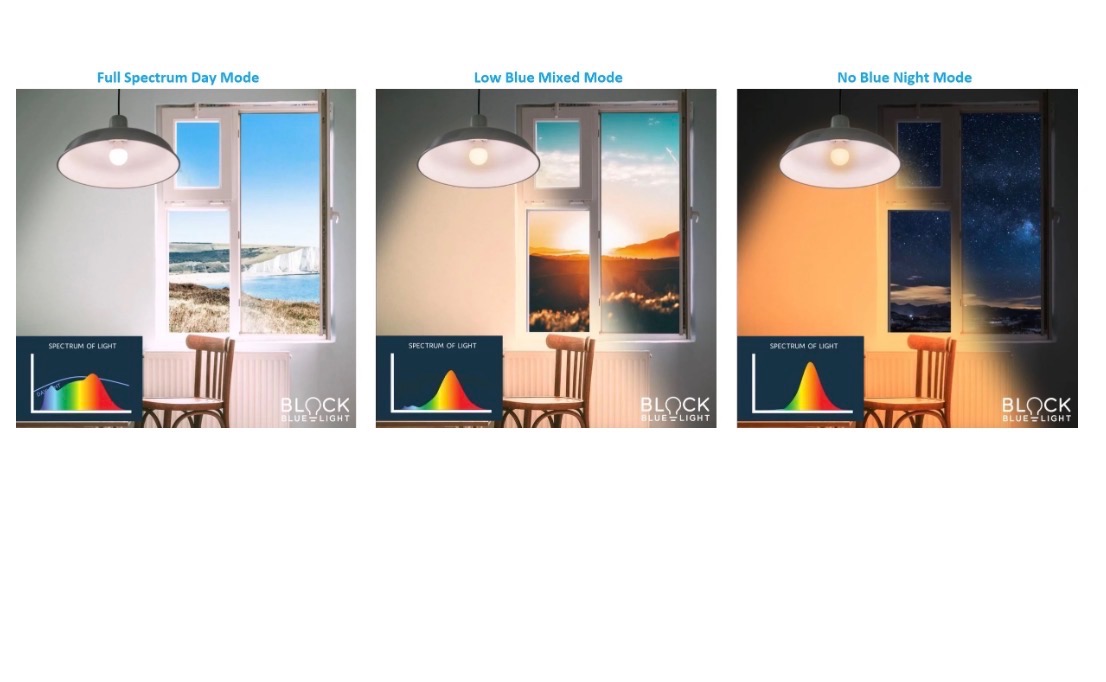
- Using lightbulbs that replicate the full sunlight spectrum from dawn to dusk to help support the body’s natural circadian rhythm.
Insulation
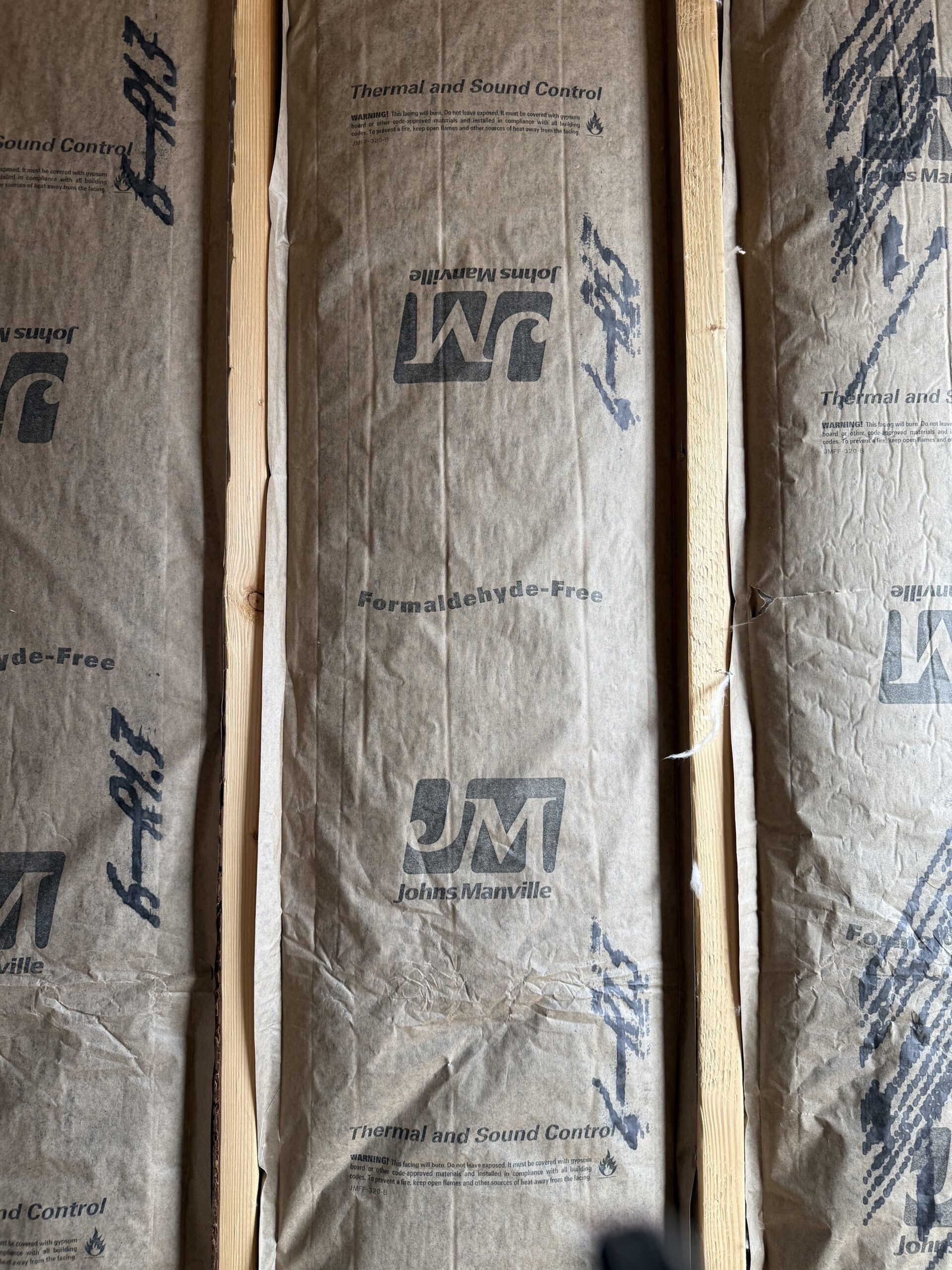
Thankfully, the fiberglass insulation our subcontractor likes to use is formaldehyde-free and GreenGuard certified. So that was nice having something we didn’t have to do a ton of research on or ask them to do differently than they are used to doing! We also opted to put some John Mansville min wool sound attenuation fire batts for extra soundproofing in a few internal walls, like bathrooms near gathering areas and the wall between the pickleball court and the main house. Come to find out, this product is made from fibers derived from volcanic rock that is spun into a material that resemble sheep’s wool. Who knew?!
Spray foam has become a pretty popular insulation option these days. The only place we chose to utilize this type of insulation is in the pickleball court ceiling, because is a very large, open space that will be challenging to heat and cool. We were strongly advised to do spray foam to help with that and ultimately agreed after weighing everything. But we decided against it in the majority of the house for a couple different reasons. Although it can be very energy efficient, a tradeoff is often the lack of good ventilation. Houses need to “breathe,” and if they are sealed up too tight, they struggle to get any air in or out. There has been a big push to make homes more energy efficient, which is great for your wallet, but potentially not so great for your health! Unfortunately, many spray foams will off-gas toxic fumes for weeks to years. They are also known to trap moisture, increasing the risk for hidden mold growth that is very difficult to find and treat.
Whether you have spray foam or not, it is very important to make sure your home is being regularly ventilated! This can be done naturally by opening doors and windows. It can also be done mechanically by using your kitchen and bathroom exhaust fans during and for 15-30 mins after showering, bathing or cooking. This expelling of odors and moisture from the indoor air creates negative pressure, which pulls fresh air in from outside through gaps and cracks in walls, windows and doors. Exhaust fans must be ducted to the exterior, not into attics, crawlspaces, or wall cavities. It is also a good idea to vacuum the grille and fan blades periodically so they are able to function well. You could add it to your yearly spring cleaning list!
Another form of mechanical ventilation I am intrigued by is a balanced ventilation system, such as energy recovery ventilators (ERV) or heat recovery ventilators (HRV). These can be a helpful solution for getting good air ventilation and circulation in tightly sealed homes. Basically these types of systems consistently bring in fresh outdoor air and remove stale air that may contain humidity and pollutants. Although it sounds like a GREAT idea to me, our HVAC guy says he doesn’t think we need it and wouldn’t recommend spending the money (quoted $13k for the two of them we would need). But if you have spray foam, don’t use HEPA air purifiers, aren’t careful about what products you are using in your home, etc… it might be well worth the money!
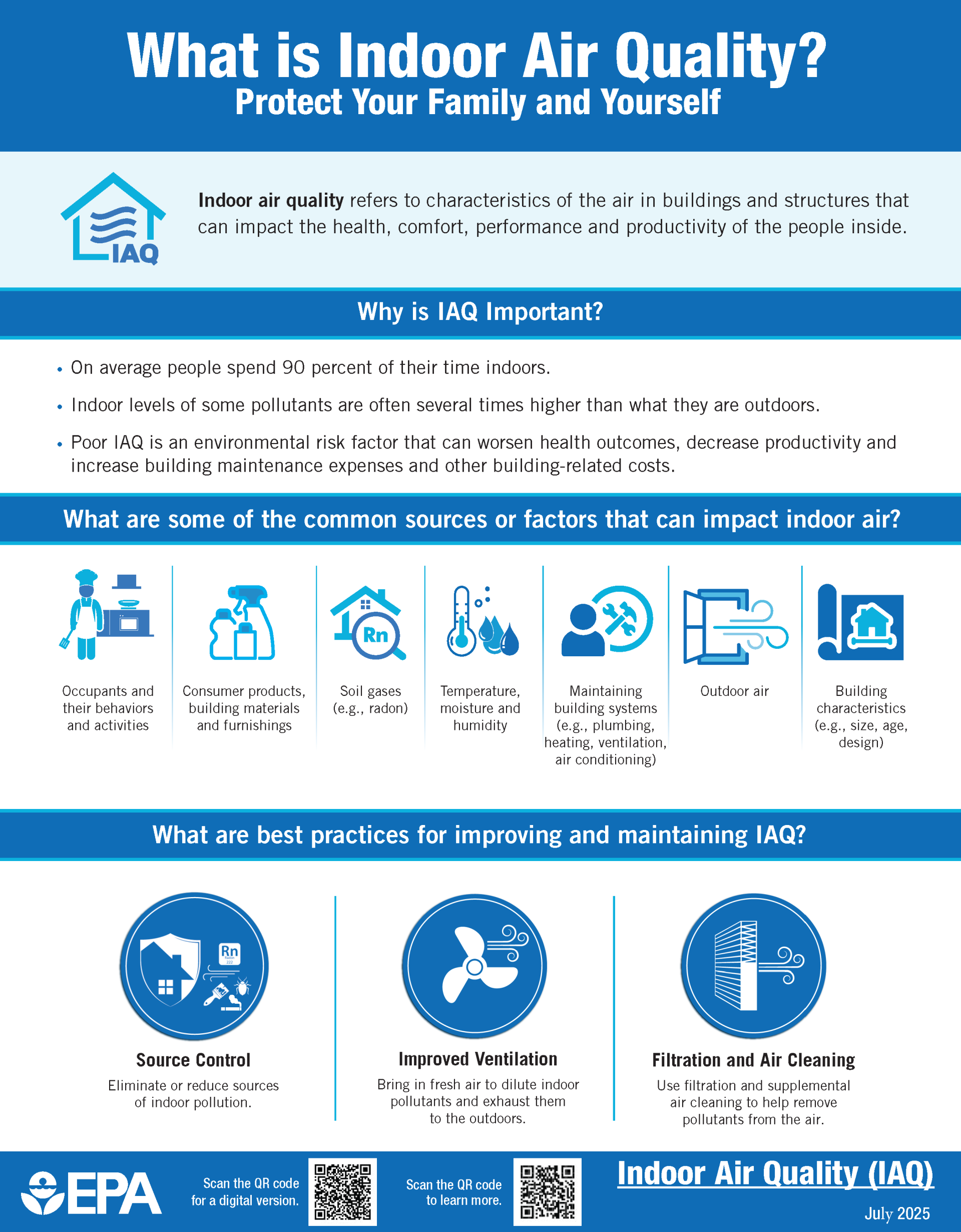
I was planning to cover drywall, too, but this post is getting REALLY long, so I will delve into that topic another time. Thanks for being here and taking the time to read. I hope you’ve been educated and inspired!




I always love reading your blogs. So informative! But when I have more time I will come back to it.